Endowed Division: Nanomaterial Process Data Science
JA

Research Purpose

This research aims to establish a new interdisciplinary field called "Materials Process Data Science" by integrating data science with materials process engineering.

Specifically, we are promoting the following research:

  • Comprehensively construct a materials-process integrated database for nanoparticle synthesis
  • Extract process characteristic factors that determine material structure and function from the constructed database
  • Establish materials process informatics as a guideline for creating high-performance nanomaterials

This will accelerate next-generation nanomaterial development and revolutionize materials process engineering.

Current Results

Where the research stands today, mapped from the research purpose to equipment, papers, observed results and the next challenges (as of October 2026). The news items give the background and the papers give the full references.

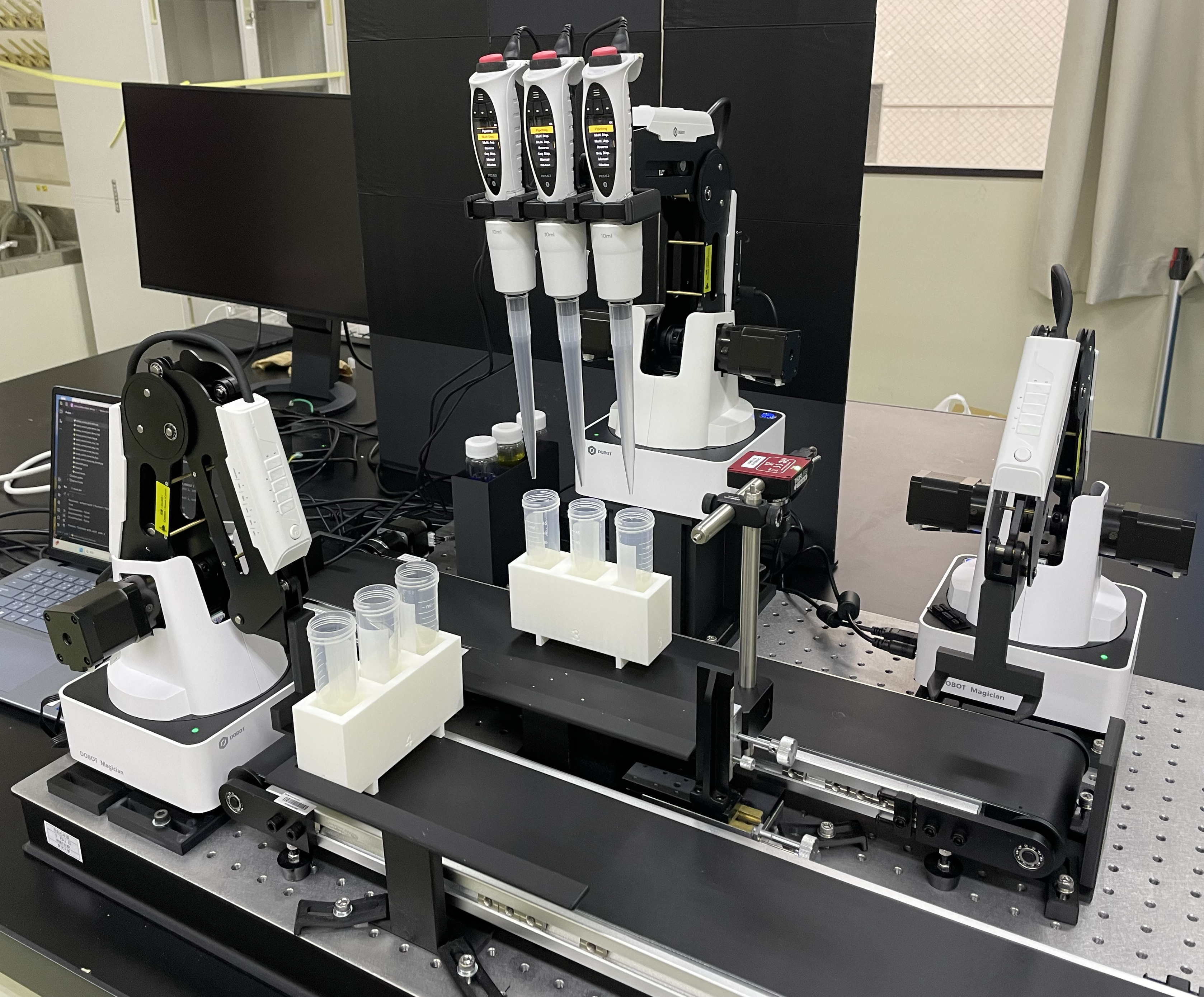
Experimental automation system with three robotic arms and electric pipettes
Automated synthesis system built from robotic arms and electric pipettes

MOF particle-size control with a low-cost automated synthesis system

A two-solution mixing system built from a robotic arm (about 200,000 yen) and an electric pipette synthesises ZIF-8, a representative MOF, while logging injection volume, injection speed, temperature and mass.

Observed results
ZIF-8 formation was confirmed by XRD at injection times of 5, 2 and 0.5 s. Within the compared conditions, DLS showed that slower injection tended to give larger particles.
Related paper and talk
Y. Wang, H. Liu, Y. Hashimoto, K. Iwase, H. Li, T. Tomai, Chem. Sci. 17, 15034 (2026) DOI / SCEJ 57th Autumn Meeting (September 2026)
Next challenge
Link the logged operation data with the resulting properties and move on to machine-learning property prediction and optimisation of synthesis conditions.

An AI materials map integrating experimental and computational data

Graph-based machine learning integrates experimental data with theoretical calculation data and visualises the structural similarity of materials as a two-dimensional map.

Observed results
The message-passing neural network captured the structural complexity of materials and organised their placement on the map, but this did not necessarily translate into better property-prediction accuracy.
Paper and press
Y. Hashimoto, X. Jia, H. Li, T. Tomai, APL Mach. Learn. 3, 036104 (2025) DOI / Tohoku University press release (July 31, 2025)
Next challenge
Connect the map with the materials-process database set out in the research purpose, so that synthesis conditions become part of the map.

Autonomous analysis of an experimental database by multi-agent AI

On Claude Code we built a three-layer, nine-agent system whose agents share data extraction, machine learning, SHAP analysis, knowledge-base construction and review, and which analyses the Starrydata2 thermoelectric database repeatedly.

Observed results
417 projects over 100 topics generated about 8,110 knowledge-base items automatically. Network analysis of the knowledge base and comparison of knowledge maps obtained with different numbers of topics and cycles showed that inheriting knowledge across cycles expands the exploration to related materials and deepens it.
Paper and talks
Preprint arXiv:2611.00627 (November 2026, not yet peer reviewed) / Society of Data-driven Materials Science (July 2026) / Agentic AI Summit 2026 (August 2026) / JSAP Autumn Meeting (September 2026)
Next challenges
Quantitative evaluation of the generated knowledge, computational cost and token limits, countermeasures against hallucination, and research databases that AI can use directly.

Members

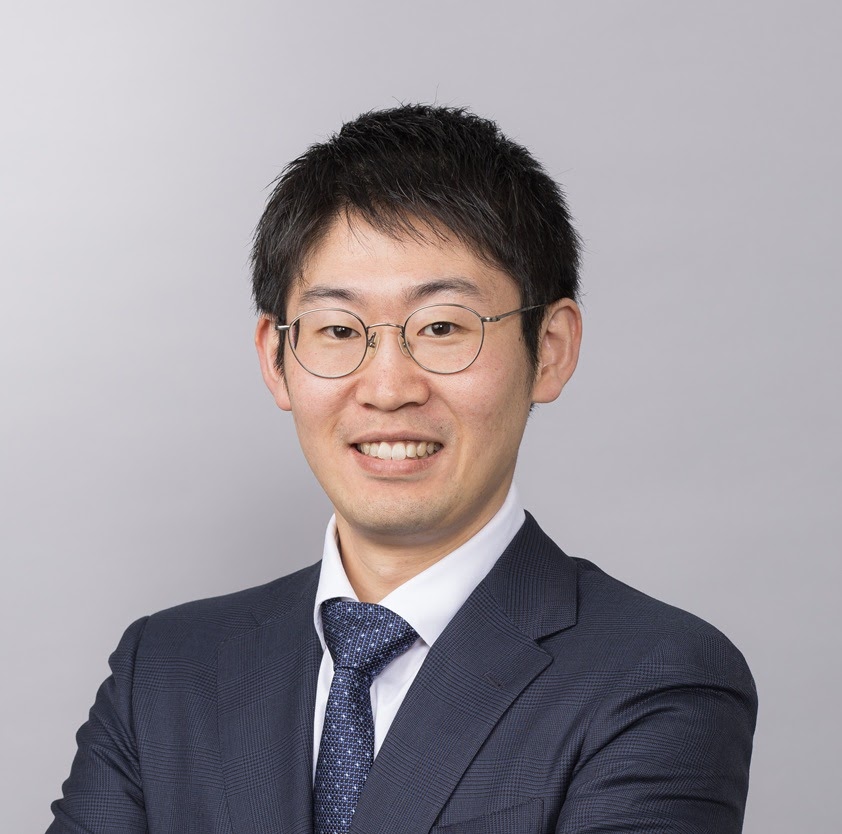
Photo of Prof. Takaaki Tomai

Takaaki Tomai

Professor

FRIS / IMRAM, Tohoku University

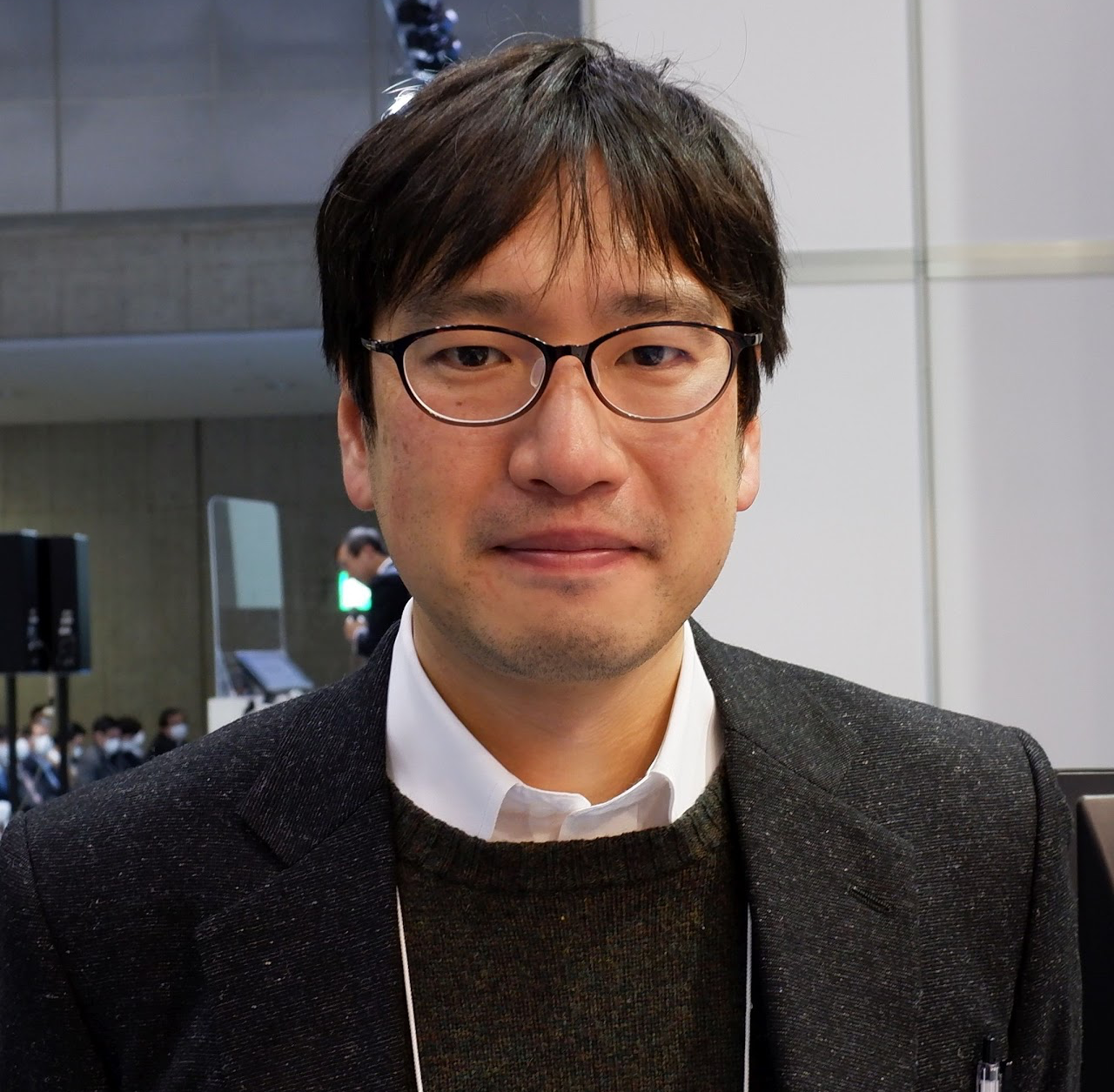
Photo of Assoc. Prof. Yusuke Hashimoto

Yusuke Hashimoto

Specially Appointed Associate Professor

FRIS, Tohoku University

Photo of Assoc. Prof. Kazuyuki Iwase

Kazuyuki Iwase

Associate Professor

IMRAM, Tohoku University

👤

Song Liu

Visiting Associate Professor

FRIS, Tohoku University

Latest News

September 14, 2026

Research Presentation at the SCEJ 57th Autumn Meeting

Associate Professor Hashimoto gave an oral presentation in the session "Frontiers of Data-Driven Research and Development" at the Society of Chemical Engineers, Japan (SCEJ) 57th Autumn Meeting, Hiroshima University.

Presentation Title: Development of an Automated MOF Synthesis System Using a Robotic Arm and an Electric Pipette

The presentation introduced a two-solution mixing automated experimental system combining an electric pipette and a robotic arm, a systematic evaluation of how precursor injection speed affects ZIF-8 particle size, and the path toward quantitative control and improved reproducibility of synthesis conditions.

Meeting Official Site

September 10, 2026

Research Presentation at the 87th JSAP Autumn Meeting

Associate Professor Hashimoto gave an oral presentation at the 87th JSAP Autumn Meeting 2026 (Japan Society of Applied Physics), Hokkaido University.

Presentation Title: Expanding and Deepening Autonomous Exploration of Physical Property Information from Materials Experimental Databases Using Multi-Agent AI

The presentation reported autonomous data-analysis experiments on the Starrydata2 thermoelectric materials database with systematically varied numbers of topics and cycles, showing through knowledge-map comparison that running multiple topics and cycles with inherited knowledge expands and deepens the exploration of property knowledge latent in the database.

Meeting Official Site

August 1–2, 2026

Poster Presentation at the Agentic AI Summit 2026 (UC Berkeley)

Associate Professor Hashimoto was selected as a poster presenter at the Agentic AI Summit 2026 held at UC Berkeley, California, and presented at the poster session and the Welcome Reception.

Presentation Title: Autonomous Multi-Agent AI System for Thermoelectric Materials Research and Knowledge System Construction

The poster proposed a system in which multiple AI agents cooperate to autonomously analyze an experimental database of thermoelectric materials, building a knowledge base and an AI specialized in thermoelectric materials.

Agentic AI Summit 2026 Official Site

July 6, 2026

Research Presentation at the Society of Data-driven Materials Science 2026 Annual Meeting

Associate Professor Hashimoto gave an oral presentation at the 2026 Annual Meeting of the Society of Data-driven Materials Science, Institute of Science Tokyo.

Presentation Title: Automation of Thermoelectric Materials Research and Knowledge System Construction by a Multi-Agent AI System

The presentation introduced a three-layer, nine-agent multi-agent AI system implemented on Claude Code, whose agents share data extraction, machine-learning modeling, SHAP analysis and knowledge-base construction; it sustained a long-running autonomous analysis loop on the Starrydata2 thermoelectric database, and network analysis of the resulting knowledge base confirmed deepening and systematization of the knowledge.

Meeting Information

May 25, 2026

Second Study Group on Using AI in Research

The Endowed Research Division hosted its second study group on using AI in research, for Tohoku University faculty, staff and students (on campus, in person; Japanese).

Lecturer: Prof. Keisuke Sakaguchi (Graduate School of Information Sciences)

Topic: How AI is changing the research process, with practical examples

Event page (Japanese)

February 20, 2026

First Study Group on Using AI in Research

The Endowed Research Division hosted its first study group on how to use generative AI in research activities, for Tohoku University faculty, staff and students (on campus, in person; Japanese).

Programme: opening remarks by Prof. Takaaki Tomai, a lecture by Assoc. Prof. Umi Nishi, one-minute presentations by participants, and a networking session

Event report (Japanese)

November 10, 2025

Invited Seminar at Institute of Science Tokyo

Associate Professor Hashimoto delivered an invited lecture at the Quantum Physics and Nanoscience Seminar at Institute of Science Tokyo.

Lecture Title: AI and Robotics: Opening New Doors in Materials Science

The lecture introduced the development of materials maps integrating experimental and computational data through machine learning, automated MOF synthesis using robotic arms, electric pipettes, and 3D printers, and autonomous data analysis methods using multi-agent systems powered by generative AI.

October 30, 2025

Keynote Lecture at IMPRES2025

Associate Professor Hashimoto's team delivered a keynote lecture at IMPRES2025 (The 7th International Symposium on Innovative Materials and Processes in Energy Systems), held at the Sendai International Center.

Lecture Title: Mapping Thermoelectric Materials Using Machine Learning on Integrated Computational and Experimental Datasets

The presentation introduced a novel approach for mapping thermoelectric materials by integrating computational and experimental datasets using machine learning techniques.

IMPRES2025 Official Website

October 30, 2025

AI Terakoya Project: AI-Powered Textbook Writing

As part of our AI utilization in research, we have launched the AI-powered textbook writing project (AI Terakoya).

This project creates comprehensive educational content across five domains of materials science (Materials Informatics, Process Informatics, Machine Learning, Materials Science, Fundamentals) using AI.

AI Terakoya: Materials Science Textbook Project

September 2025

Research Presentation at JSAP Autumn Meeting

Associate Professor Hashimoto presented research at the Japan Society of Applied Physics (JSAP) Autumn Meeting.

Presentation Title: Application of a Material Structural Similarity Map to Materials Process Exploration

The presentation introduced a novel method for visualizing material structural similarity to enable efficient exploration of materials processes.

July 31, 2025

Paper Published in APL Machine Learning

Associate Professor Hashimoto and research team published a paper on creating "materials maps" using AI in the international journal APL Machine Learning. The paper was published online on July 28, 2025, and Tohoku University issued a press release on July 31, 2025.

This research developed a materials map integrating experimental and theoretical calculation data using message-passing graph neural networks. The map visually represents structural similarity of materials, enabling rapid extraction of unknown high-performance materials.

View Paper Details

March 24, 2025

Invited Seminar at Stanford University

Associate Professor Hashimoto delivered an invited lecture at the GLAM Special Seminar at Stanford University.

Lecture Title: Local and Global Mapping of Thermoelectric Materials Based on Computational and Experimental Datasets

The lecture presented local and global mapping methods for thermoelectric materials based on computational and experimental datasets. Using machine learning-based materials mapping technology, the approach visualizes structure-property correlations of thermoelectric materials and introduces a new method for efficient exploration of high-performance materials.

December 11, 2024

Presentation at Robot Innovation Week 2024

Associate Professor Hashimoto gave a presentation on experimental automation using robotic arms, invited by TechShare Inc.

The presentation introduced examples of experimental automation systems developed in our laboratory and low-cost automation methods.

November 1, 2024

Development of Low-Cost Experimental Automation System

We are developing an automated experimental system combining robotic arms (approximately 200,000 yen) and electric pipettes.

The initial system features a high-throughput mixing system that has improved experimental efficiency and reproducibility. This low-cost automation solution is expected to be widely applicable.

Low-cost experimental automation system
Experimental automation system with three robotic arms and electric pipettes
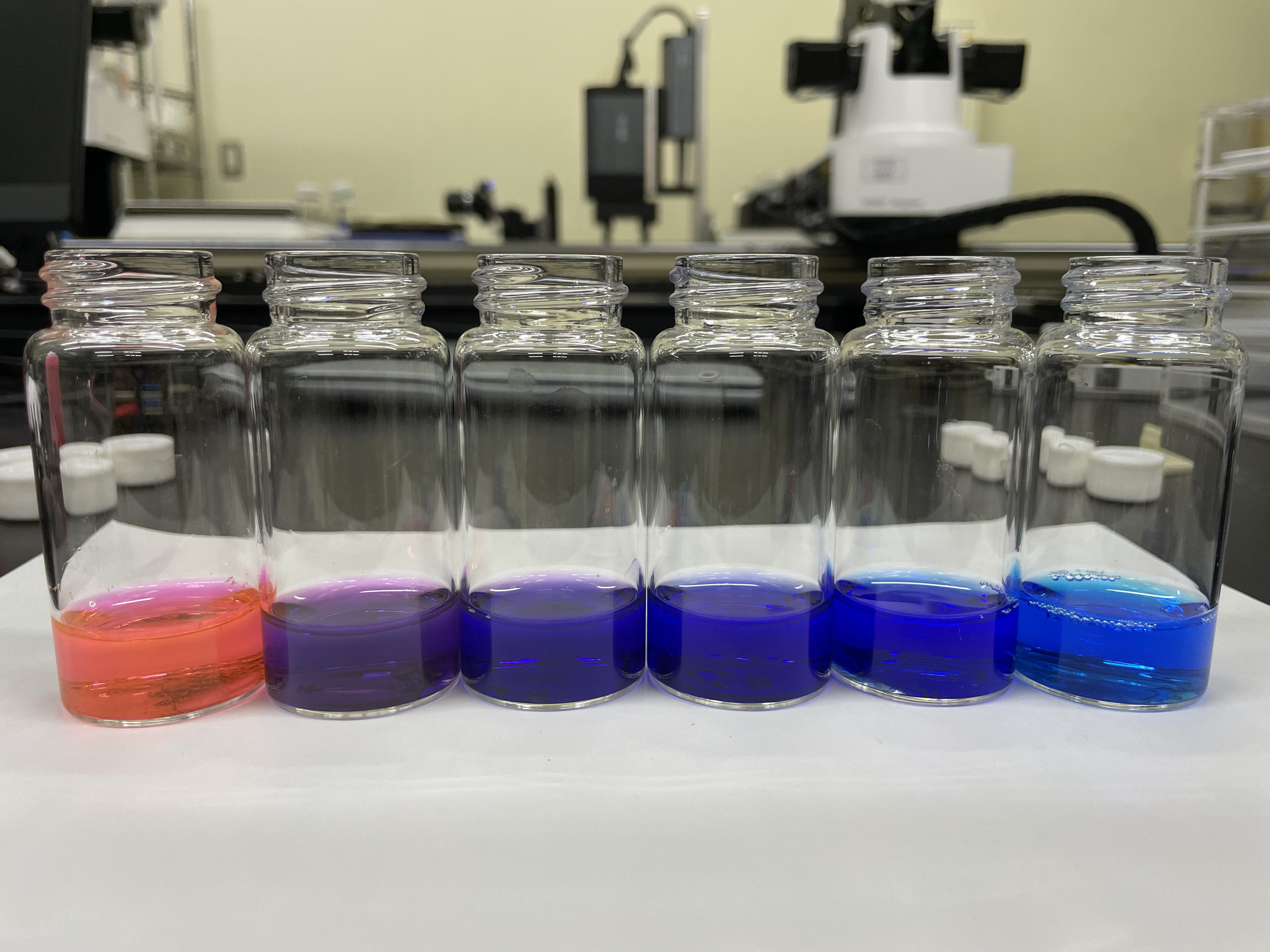
Gradient solutions created by automated mixing system
Gradient solutions produced by the high-throughput mixing system
August 4, 2024

Inaugural Symposium Held

We held an inaugural symposium for the Endowed Research Division at FRIS.

The symposium presented the establishment purpose and future research direction of this division, discussing the creation of materials process data science as a new interdisciplinary field. The importance of industry-academia collaboration was confirmed, and active discussions were held on future joint research directions.

June 22, 2024

Demonstration of Precision Control Technology with Robotic Arms

Successfully demonstrated automated drawing of the Tohoku University logo using robotic arms.

This experiment demonstrated improved precision control technology of robotic arms and the potential for automating complex experimental operations. This is an important achievement toward advancing experimental automation systems.

Press Releases & Media Coverage

📰 Press Releases

July 31, 2025
Publication on AI-Based Materials Mapping in APL Machine Learning

Associate Professor Hashimoto's research team developed materials maps integrating experimental and theoretical calculation data using message-passing graph neural networks. This technology enables rapid extraction of unknown high-performance materials, and is expected to shorten materials development timelines.

📺 Media Coverage

Nikkan Kogyo Shimbun
Coverage of materials mapping development using graph neural network technology
Researcher
Article on the academic significance of the research

Location & Access

📍 Location & Contact

Address:
Frontier Research Institute for Interdisciplinary Sciences, Tohoku University
6-3 Aramaki Aza Aoba, Aoba-ku, Sendai, Miyagi 980-8578, Japan
Tel: +81-22-795-5755
Fax: +81-22-795-5756
Collaboration or visit inquiries: Yusuke Hashimoto, contact page

🚇 By Subway

4-minute walk from Aobayama Station (North Exit)

🚖 By Taxi

15 minutes from Sendai Station (approx. 2,000 yen)